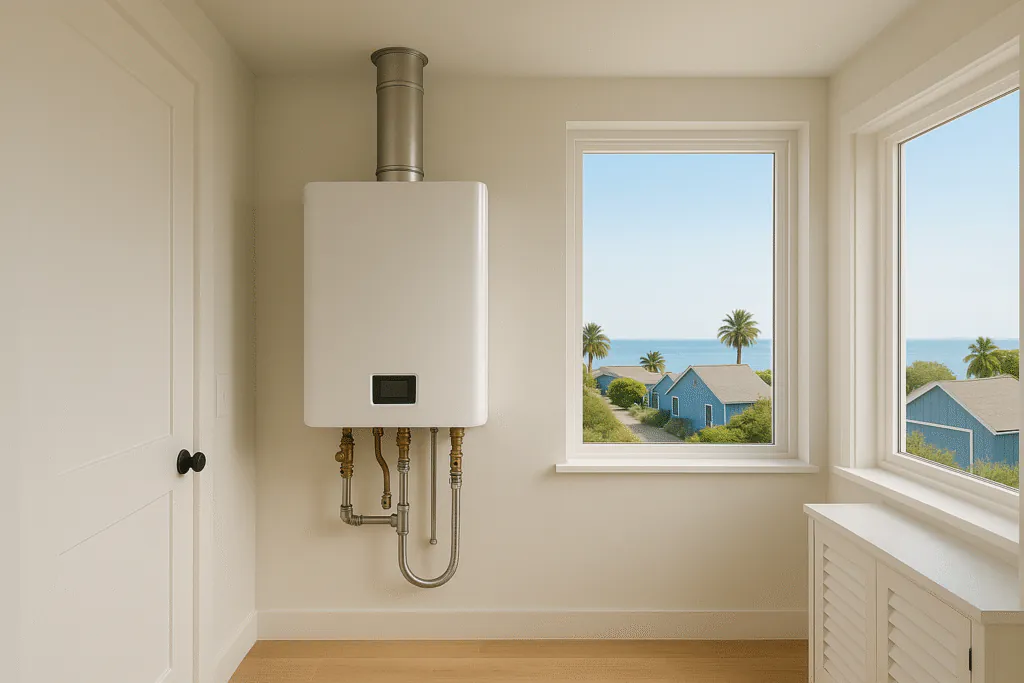

How Much Does Roof Plumbing Cost? A Complete Guide for Homeowners in Melbourne, Australia

How Much Does Roof Plumbing Cost? A Complete Guide for Homeowners in Melbourne, Australia

When it comes to protecting your home from the often unpredictable Melbourne weather, roof plumbing plays a vital role. But how much does roof plumbing cost in Melbourne, Australia—and what exactly are you paying for?

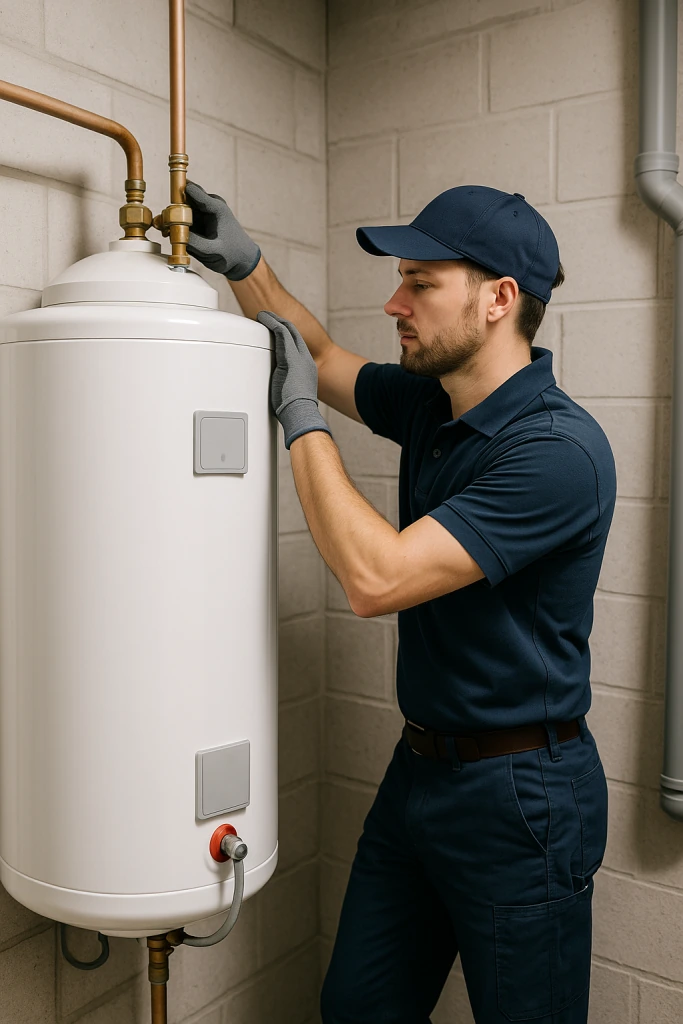
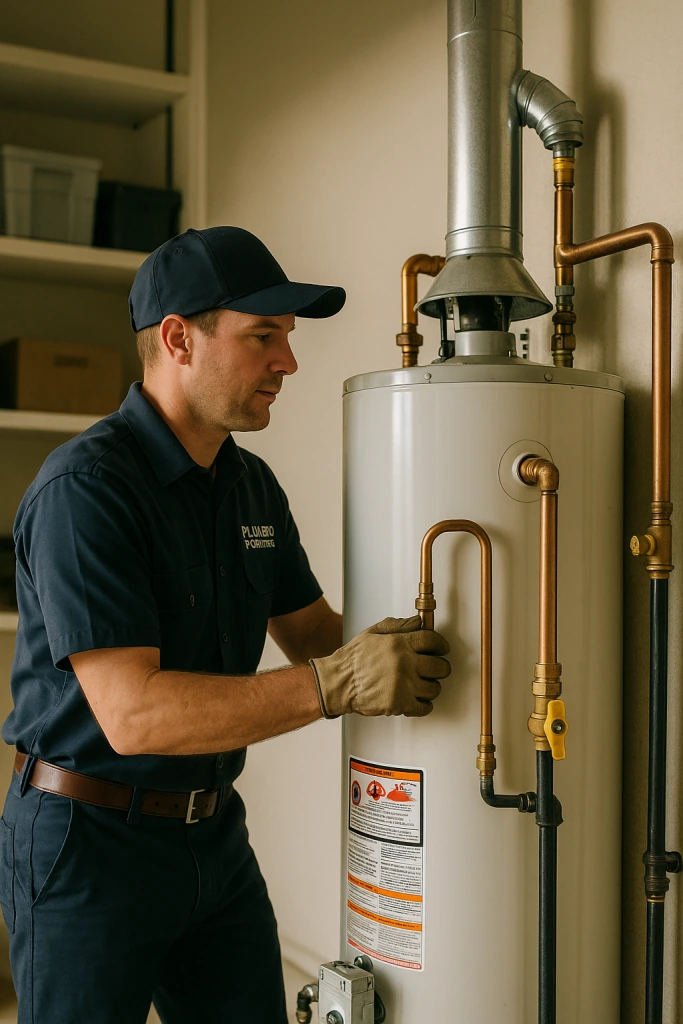
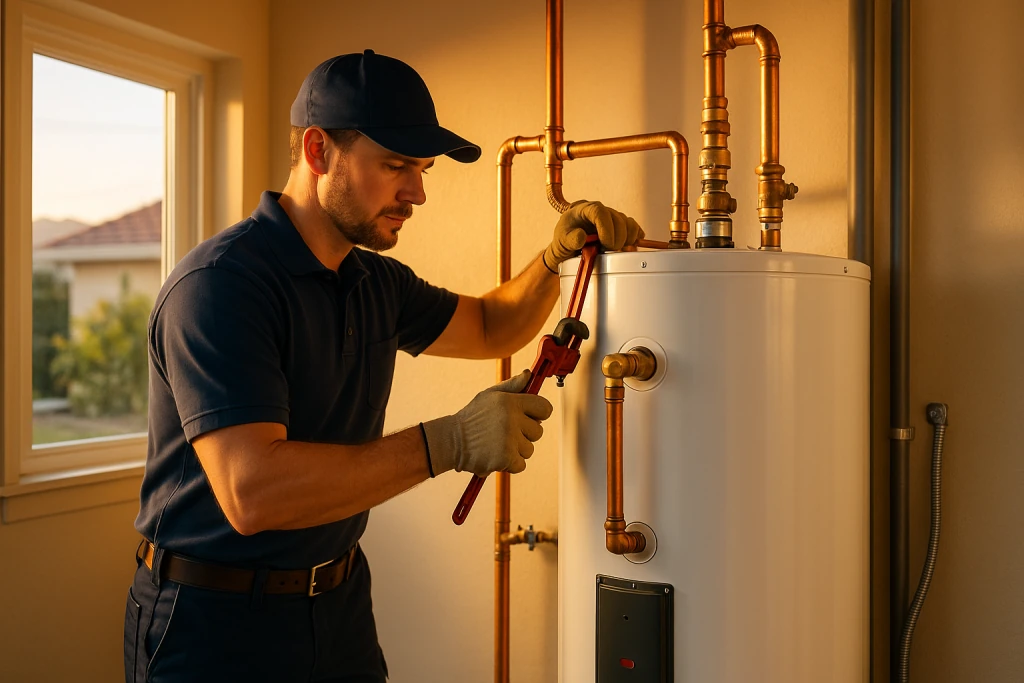
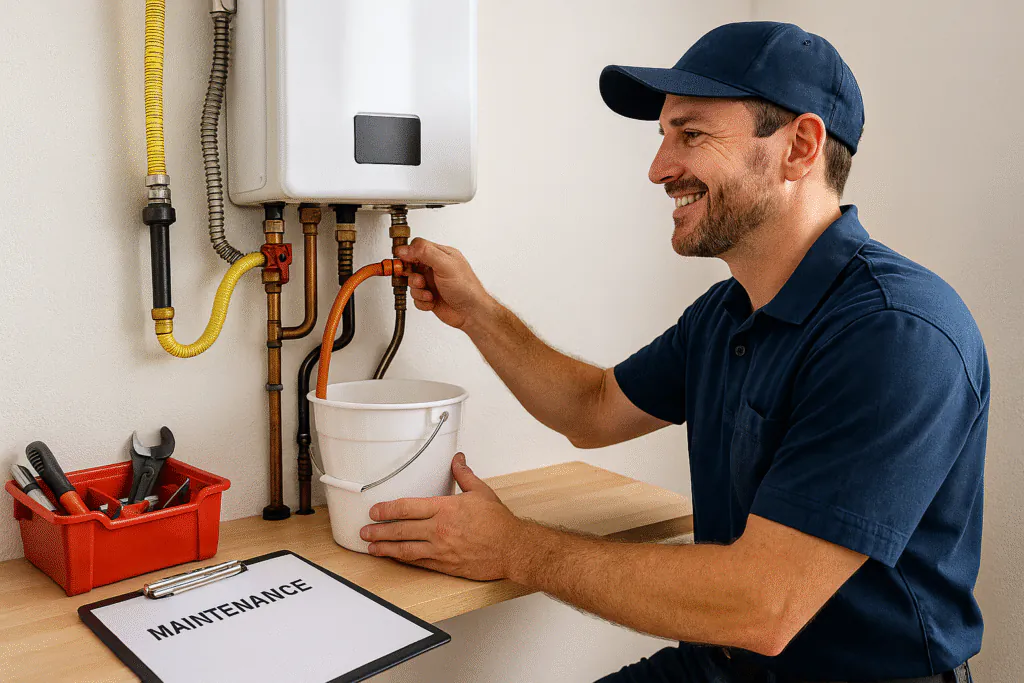
roof plumbing work undergoing

With Gutter Cleaning Melbourne, we’ll break down the key factors that influence roof plumbing costs, typical price ranges for common services, local considerations specific to Melbourne, and tips to ensure you get top-notch workmanship at a fair rate. If you’re budgeting for repairs, maintenance, or a new roof plumbing system, this article will arm you with the knowledge to make informed decisions.

🏡 What Is Roof Plumbing?

Before diving into the costs, it’s crucial to understand what roof plumbing entails. Roof plumbing refers to any plumbing work associated with the roof of a building, specifically the systems that collect and direct rainwater. This includes:

  • Guttering and downpipes
  • Flashings
  • Roof drainage systems
  • Rainwater tanks and stormwater connections
  • Roof leak repairs
  • Installation of box gutters, valleys, and roof penetrations

In Melbourne—where seasonal storms, hail, and strong winds are common—well-installed and maintained roof plumbing is essential for both domestic and commercial properties.

💸 So, How Much Does Roof Plumbing Cost in Melbourne?

🔹 Average Cost Breakdown

The cost of roof plumbing in Melbourne can vary widely depending on the scope and complexity of the job. However, here are some general estimates for reference:

ServiceAverage Cost (AUD)
Gutter cleaning$100 – $300
Downpipe replacement$100 – $250 per pipe
Gutter replacement$30 – $60 per metre (supply & install)
Flashing installation$200 – $600
Leak repair$150 – $400
Full roof plumbing for new build$3,000 – $10,000+

🛠️ Note: These prices are estimates for standard residential properties. Multi-storey homes, commercial sites, or heritage buildings in inner-city Melbourne (e.g., Carlton, Fitzroy) may incur higher costs due to access difficulties or architectural complexity.

🧩 Key Factors That Affect Roof Plumbing Costs

1. Type of Roofing Material

Metal roofs (like Colorbond, which is popular in Melbourne’s new builds) often require different flashing and sealing methods compared to tiled roofs. Labor costs may increase accordingly.

2. Height and Accessibility

Roof plumbing on double-storey or sloped roofs will likely cost more due to the need for scaffolding, harnesses, or special safety gear. Properties in suburbs like Eltham or Mount Waverley with difficult terrain may face additional setup charges.

3. Scope of Work

Small repairs (e.g., replacing a single downpipe) are relatively inexpensive. However, comprehensive upgrades—especially post-storm repairs or full guttering replacements—can add up quickly.

4. Emergency Callouts

Roof plumbing issues during storm season (typically from October to March) may require emergency attention. Plumbers in Melbourne often charge a premium for urgent services—sometimes 1.5 to 2x standard hourly rates.

5. Quality of Materials

Opting for premium materials like zincalume or Colorbond steel will increase the upfront cost but offer durability and longer lifespans, which is beneficial in Melbourne’s wet, windy winters.

📍 Local Considerations: Roof Plumbing in Melbourne, VIC

Melbourne has unique environmental and regulatory factors that affect roof plumbing:

  • Council Regulations: Most municipalities in Greater Melbourne (including Glen Eira, Maribyrnong, and Yarra councils) require permits for roof drainage work, especially when stormwater systems are altered.
  • Climate Variability: Melbourne’s “four seasons in a day” weather means systems must handle sudden downpours and withstand UV exposure.
  • Bushfire Zones: Homes on the fringe of Melbourne—such as those in Dandenong Ranges or Warrandyte—must comply with BAL (Bushfire Attack Level) regulations, which may require specific gutter guards or fire-resistant materials.

🔍 Roof Plumber vs. General Plumber: Know the Difference

Not all plumbers are roof plumbers.

A licensed roof plumber is specially trained to handle roofing structures, metal fabrication, and waterproofing—skills essential for compliance with the Victorian Building Authority (VBA) standards. Be sure to check that your contractor is VBA-registered and insured.

✅ Tips for Saving Money on Roof Plumbing Services

  1. Bundle Services
    If you’re already getting your gutters replaced, consider adding downpipes or leaf guards at the same time. This can reduce the per-service callout fee.
  2. Schedule Off-Peak Work
    Avoid booking during peak seasons (e.g., post-summer storms or end-of-year rush). Winter and early spring often offer better availability and potential discounts.
  3. Regular Maintenance
    A $150 clean today could save you thousands in water damage next year. Preventative maintenance in areas like Brighton or Essendon, where many older homes have original guttering, is especially important.
  4. Use Local Tradespeople
    Engaging a roof plumber from your specific suburb—like one based in the Northern Suburbs or Mornington Peninsula—can cut down travel fees and ensure quicker service.

🧠 Insight: Why Investing in Roof Plumbing Pays Off

Ignoring roof plumbing issues may lead to:

  • Internal ceiling leaks
  • Structural rot
  • Mould growth
  • Foundation damage
  • Expensive insurance claims

In Melbourne, where rainstorms can dump 10-20mm of water in an hour, even a slightly misaligned downpipe can cause flooding. Quality roof plumbing doesn’t just protect your home—it preserves its value.

🧾 Roof Plumbing Quotes: What Should Be Included?

When requesting a quote, make sure it covers:

  • Full breakdown of materials and labor
  • Waste disposal and site cleanup
  • Warranty on workmanship (typically 6–12 years)
  • Estimated timeline and access requirements
  • Compliance with AS/NZS 3500 standards and VBA codes

A transparent, itemized quote reflects professionalism and reduces the chance of hidden fees.

🛎️ Final Thoughts: Roof Plumbing Costs Are a Smart Long-Term Investment

If you’re a Melbourne homeowner or property investor, understanding how much roof plumbing costs is more than just budgeting—it’s about future-proofing your property against weather extremes and regulatory pitfalls.

By hiring a licensed local roof plumber, choosing durable materials, and staying proactive with maintenance, you’ll ensure your home is protected—rain, hail, or shine.

🧰 Need Roof Plumbing Help in Melbourne?

Don’t wait until it pours. Whether you’re in Brunswick, St Kilda, or the Dandenongs, connect with a local, VBA-licensed roof plumber to inspect, maintain, or upgrade your system today.

💬 Looking for an obligation-free quote? Reach out to trusted professionals like Gutter Cleaning Melbourne who service Greater Melbourne and ensure your roof plumbing is ready for anything Mother Nature throws your way.

Event Promotion: A Complete Guide for 2025 Success

Event promotion has evolved into a dynamic blend of traditional and digital strategies. In 2025, successful event marketing requires a strategic mix of AI-powered solutions, personalized engagement, and data-driven decision-making to stand out in an increasingly crowded market.

Key Takeaways:

  • AI and AR technology are revolutionizing event marketing
  • Multi-channel promotion strategies yield better results
  • Data-driven decisions improve ROI
  • Early-bird pricing and VIP packages drive sales
  • Cross-promotion partnerships expand reach

1. Introduction to Event Promotion

1.1 Definition and Importance

Event promotion encompasses all marketing activities designed to create awareness and drive attendance for events. As established by industry leaders like JR Promotions since 2006, effective promotion is crucial for event success.

1.2 Evolution of Event Marketing in 2025

The landscape of marketing and event marketing has transformed dramatically. Modern tools like AI, blockchain, and AR have become essential components of successful promotion strategies.

1.3 The Challenge of Standing Out

With countless events competing for attention, organizers must employ innovative marketing strategy approaches to capture their audience’s interest.

2. How to Promote an Event Successfully

2.1 Setting Clear Marketing Objectives

  • Define specific attendance goals
  • Establish revenue targets
  • Set engagement metrics
  • Create brand awareness benchmarks

2.2 Identifying Target Audience

Understanding your audience is crucial for tailoring your promotion strategy. Consider:

  • Demographics
  • Interests
  • Behavior patterns
  • Purchase history

3. Modern Technology in Event Promotion

3.1 AI-Powered Marketing Solutions

Digital marketing has been revolutionized by AI tools that:

  • Predict attendance patterns
  • Optimize pricing strategies
  • Personalize communication
  • Automate marketing tasks

3.2 Augmented Reality Applications

AR enhances event promotion through:

  • Virtual venue tours
  • Interactive promotional materials
  • Gamified marketing campaigns

4. Digital Marketing Strategies

4.1 Social Media Event Promotion

Social media marketing is essential for:

  • Building anticipation
  • Creating engagement
  • Driving ticket sales
  • Maintaining community interest

Platform-Specific Strategies

PlatformBest Practices
InstagramVisual storytelling, Stories, Reels
FacebookEvent pages, targeted ads
LinkedInProfessional networking, B2B events
TwitterReal-time updates, hashtag campaigns

4.2 Email Marketing Campaigns

Email marketing remains a powerful tool for:

  • Announcement sequences
  • Early-bird promotions
  • Abandoned cart recovery
  • Post-event follow-up

5. Traditional Marketing Approaches

5.1 Below-the-Line Promotions

Traditional brand promotion methods include:

  • Direct marketing
  • Trade shows
  • Local partnerships
  • Print materials

6. Pricing and Sales Strategies

6.1 Early-Bird Pricing Tiers

Create urgency with:

  • Limited-time offers
  • Graduated pricing levels
  • Group discounts
  • VIP packages

7-10. Additional Considerations

  • Implement strong lead generation tactics
  • Utilize guerilla marketing for impact
  • Partner with a marketing agency
  • Develop crisis management plans
  • Track and measure ROI

Conclusion

Successful event promotion in 2025 requires a balanced approach combining cutting-edge technology with proven traditional methods. Focus on creating personalized experiences, leveraging data insights, and maintaining consistent engagement across all channels.

Note: Prices mentioned are in ZAR (South African Rand)

Finding Love in London: How Unique Hobbies Can Spark Lasting Connections

London, a city brimming with millions, can sometimes feel like a paradox for those seeking genuine connection. While the sheer number of people suggests endless possibilities for dating, standing out in the crowd and finding someone who truly resonates can be a challenge. In the bustling landscape of London’s dating scene, where swiping left or right has become second nature, what if the secret to a meaningful relationship lies not in grand gestures, but in the subtle art of showcasing your authentic self – particularly through your unique hobbies according to  https://citygoldmedia.com/

Think about it: how many profiles have you scrolled through that list “going to the gym” or “brunch with friends” as their main interests? While these are perfectly enjoyable pastimes, they don’t necessarily paint a vivid picture of who you are beyond the surface. This is where unique hobbies become your superpower in the dating world, especially in a diverse city like London according to  https://www.techwiki.in/.

Imagine stumbling upon a profile that mentions urban beekeeping. Instantly, your curiosity is piqued. This isn’t just a hobby; it’s a commitment to sustainability, an unusual passion that suggests a thoughtful, perhaps even adventurous, spirit. It invites questions: How did they get into that? What other projects are they working on? This single detail can spark a conversation far more engaging than a generic “how was your weekend?” It creates an immediate point of connection, a shared interest in something out of the ordinary, and a glimpse into a person’s values and passions.

Similarly, if you’re regularly attending pottery workshops, you’re not just molding clay; you’re revealing a creative side that many will find incredibly appealing. It subtly communicates patience, a desire to learn, and an appreciation for tangible creation. In a fast-paced city, the act of slowing down and creating something with your hands speaks volumes. It’s a gentle reminder that your skills and interests are shaped by what you do, and this can inspire potential matches to share their own unique experiences or ask about your artistic journey.

The beauty lies in the blend. While it’s great to include common pastimes that many can relate to, weaving in those one-of-a-kind interests creates a rich, authentic tapestry of who you are. This thoughtful balance allows someone navigating the often-overwhelming world of online dating to gain genuine insights. They’re not just seeing what you do for fun; they’re getting a sense of who you are as a person and, more importantly, who you might be able to connect with on various levels. Perhaps you both share an eclectic taste in music discovered at a hidden London jazz club, a passion for exploring new culinary adventures in Borough Market, or a shared love for a niche creative pursuit that only a few understand.

In a city as dynamic and diverse as London, the opportunities for connection are endless if you’re willing to present your full, fascinating self. By effectively highlighting your interests and hobbies, especially those that are a little out of the ordinary, you’re paving the way for captivating discussions. These aren’t just casual encounters; they’re potential avenues for meaningful relationships, built on the foundation of shared experiences and passions. So, next time you’re updating your dating profile, remember that your most unique hobbies might just be the key to finding that special someone in the heart of London.

What Type of Roof Is the Most Energy-Efficient? A New Jersey Homeowner’s Guide

What Type of Roof Is the Most Energy-Efficient? A New Jersey Homeowner’s Guide

In the ever-evolving world of home improvement, energy efficiency is no longer a luxury—it’s a necessity. Especially in a state like New Jersey, where residents experience both humid summers and icy winters, the right roofing material can significantly reduce energy bills while boosting indoor comfort. But what type of roof is the most energy-efficient?

an efficient roofing installed in a home

This question is top of mind for eco-conscious homeowners, real estate investors, and even builders across North Jersey, Central NJ, and the Jersey Shore. Whether you’re upgrading your current roof in Middletown, installing a new one in Morristown, or building a coastal retreat in Cape May, with CJ Commercial Roofing NJ, we’ll unpack your best options for energy-efficient roofing, backed by local insights and cost-related considerations.

Why Energy-Efficient Roofing Matters in New Jersey

Let’s start with the basics. New Jersey’s climate is considered humid subtropical in the south and humid continental in the north. That means sweltering summers and freezing winters—each season putting unique stress on your home’s thermal envelope.

An energy-efficient roof can:

  • Reduce heating and cooling bills by 10–30%
  • Increase indoor comfort year-round
  • Decrease environmental impact
  • Boost property resale value (especially in eco-conscious suburbs like Princeton or Montclair)
  • Potentially qualify for New Jersey Clean Energy Program incentives

It’s more than a cosmetic upgrade—it’s a functional, financial, and sustainable investment.

Most Energy-Efficient Roofing Options for New Jersey Homes

When evaluating what type of roof is the most energy-efficient, several materials stand out. However, efficiency depends not just on the material itself but on color, coating, ventilation, and installation quality. Let’s break down your top contenders:

1. Metal Roofing

LSI Keywords: Cool roofs, reflective roofing, metal panels, standing seam roof

Metal roofs—particularly standing seam metal roofing—are among the most energy-efficient options available. They reflect solar radiant heat rather than absorbing it, which is ideal for hot summers in Southern NJ cities like Cherry Hill or Atlantic City.

Pros:

  • High solar reflectance and thermal emittance
  • Lifespan of 40–70 years
  • Recyclable material
  • Works with solar panel installations (popular in towns like Edison and Bridgewater)

Cons:

  • Higher upfront cost ($10–$16 per square foot installed)
  • Can be noisy without proper insulation

💡 Pro Tip: Opt for a “cool roof” metal coating that meets Energy Star guidelines.

2. Clay and Concrete Tiles

While not common in northern climates, clay and concrete tile roofs are surprisingly efficient. They offer natural insulation by allowing air circulation under the tiles, which is useful for homes in coastal areas like Asbury Park or Ocean City where salt air and sun exposure are factors.

Pros:

  • Excellent heat deflection
  • Long lifespan (50+ years)
  • Fire-resistant

Cons:

  • Heavier, requiring structural reinforcement
  • Installation costs between $12–$20 per square foot

If you’re aiming for a Mediterranean or Spanish-style aesthetic and want to maximise efficiency, this is a stylish and sustainable choice.

3. Asphalt Shingles (Cool Roof Variants)

The standard in New Jersey roofing, asphalt shingles get a bad rap in energy efficiency. But modern “cool roof” asphalt shingles are coated with specially designed granules to reflect more sunlight and absorb less heat.

Pros:

  • Budget-friendly ($5–$8 per square foot)
  • Easy to source and install
  • Lighter colors reflect more sunlight
  • Compatible with NJ local zoning codes

Cons:

  • Shorter lifespan (15–30 years)
  • Less effective than metal or tile in extreme heat

For a balance between affordability and performance, Energy Star-rated asphalt shingles are a solid middle-ground for areas like Hackensack, New Brunswick, or Toms River.

4. Green or Living Roofs

Yes, even in New Jersey, green roofs are making their way into urban and suburban environments. This system features a waterproof membrane topped with vegetation, creating insulation through soil and plant mass.

Ideal for: Eco-conscious homeowners in cities like Newark, Jersey City, or Hoboken.

Pros:

  • Excellent natural insulation
  • Reduces urban heat island effect
  • Qualifies for some green incentives in NJ

Cons:

  • Requires specific structural conditions
  • High installation and maintenance costs ($15–$25 per square foot)

Green roofs are ideal for flat or low-slope roofs and pair well with solar energy systems, making them doubly sustainable.

5. Synthetic or Composite Roofing

Made from a blend of recycled plastics, rubber, and polymer, synthetic roofing materials mimic the look of slate, tile, or wood while offering high durability and thermal resistance.

Pros:

  • Lightweight and durable
  • Reflective coatings available
  • Less expensive than natural slate
  • Long lifespan (40–50 years)

Cons:

  • Not all options are certified as “cool roofs”
  • Limited data on long-term performance

Popular in upscale suburbs like Bernardsville or Short Hills, synthetic shingles give the look of luxury without the energy drain. Se CJ Commercial Roofing NJ for more.

Important Considerations for New Jersey Homeowners

When selecting the most energy-efficient roof, don’t just look at material. Factor in:

  • Roof Pitch: Steeper roofs may shed snow better but absorb more solar heat if south-facing.
  • Color: Lighter colors reflect sunlight; darker ones absorb heat.
  • Insulation: Pair your roofing choice with proper attic insulation for maximum savings.
  • Ventilation: Ridge vents, soffit vents, and proper airflow prevent overheating and condensation.
  • Local Climate: Shore towns have different roofing stressors (salt, wind) than inland suburbs (ice dams, snow loads).

Additionally, always ensure your roofing contractor is licensed in New Jersey, understands local building codes, and can help you navigate rebates or energy-efficiency grants.

Cost vs. Long-Term Savings

Here’s a rough comparison table for New Jersey homeowners:

Roofing TypeAvg. Cost/Sq Ft InstalledLifespan (Years)Energy Efficiency RatingROI Potential
Metal$10–$1640–70★★★★★High
Clay/Concrete Tile$12–$2050+★★★★☆Moderate
Cool Asphalt Shingles$5–$820–30★★★☆☆Moderate
Green Roof$15–$2530–40★★★★★High (Long-Term)
Synthetic Roofing$8–$1440–50★★★★☆High

Energy-Efficient Roofing and Home Resale Value

Homes with energy-efficient roofing tend to sell faster and at higher prices, particularly in sustainability-savvy areas like Princeton, Montclair, and Summit, NJ. Buyers are more conscious of long-term utility savings, environmental impact, and futureproof construction—qualities that energy-efficient roofing brings to the table.

Final Thoughts: What’s Right for You?

So, what type of roof is the most energy-efficient? In New Jersey, metal roofing often leads the pack, especially when combined with radiant barriers, insulation, and solar panels. However, the “most efficient” solution depends on your budget, home style, location, and long-term goals.

Whether you’re upgrading in Passaic County, building in Hunterdon, or investing in a rental near the Jersey Shore, make your choice strategically—and work with a certified roofer who understands local conditions and codes.

💬 Need help choosing the right roof for your New Jersey home? Consult with local energy-efficiency experts or request an inspection to see which material is right for your budget and property goals.

What Is the Cheapest Way to Get a Roof in New Jersey?

What Is the Cheapest Way to Get a Roof in New Jersey?

When facing roof replacement or installation costs, homeowners across New Jersey often ask the burning question: What is the cheapest way to get a roof? Given the Garden State’s diverse climate—from Nor’easters to heavy summer storms—roof durability is essential. But so is affordability. For homeowners trying to save money without sacrificing safety or quality, knowing the most cost-effective methods can be the difference between financial stress and peace of mind.

Contractor and client reviewing roof work.

This SEO-optimized article explores economical roofing options, local assistance programs, materials, labor costs, and DIY alternatives tailored specifically to New Jersey residents. Whether you live in Newark, Jersey City, or the Pine Barrens, we’ll break down your best budget-friendly roofing strategies.

✅ Why Roof Replacement Is So Expensive in NJ

Before diving into cost-saving solutions, it’s crucial to understand why roof work can be so costly in New Jersey. On average, a new roof in NJ can range from $5,000 to $12,000, depending on size, materials, and labor rates. Key cost drivers include:

  • Labor Shortage in Construction: New Jersey, like much of the Northeast, is experiencing a skilled labor shortage, which drives up hourly wages for certified roofers.
  • Permitting and Code Compliance: Towns like Princeton, Montclair, and Edison enforce strict building codes. Obtaining permits and meeting energy efficiency standards adds time and cost.
  • Seasonal Demand: Roofing companies in NJ are busiest from April through October. Peak demand during these months inflates pricing.
  • Storm Damage Risks: Due to weather volatility, insurance premiums and repair demand also impact roofing costs.

💸 The Cheapest Way to Get a Roof in New Jersey: Key Strategies

Here are some of the most effective cost-reducing methods available for homeowners in New Jersey.

1. Apply for Free or Low-Income Roof Assistance Programs

If you’re wondering how to get a roof when you have no money, your first step should be exploring assistance programs in NJ. These are ideal for low-income families, seniors, or homeowners affected by storm damage.

🏛️ Local Government and Federal Programs:

  • LIHEAP (Low-Income Home Energy Assistance Program): While typically used for energy bills, in New Jersey LIHEAP can sometimes be leveraged for emergency home repairs including roofing.
  • USDA Single Family Housing Repair Loans & Grants (Section 504): For very low-income residents, especially in rural areas like Sussex County or Cape May, this program offers grants up to $10,000.
  • NJ Weatherization Assistance Program: Administered through the Department of Community Affairs, this initiative helps reduce home energy costs and often includes roof repair if it improves energy efficiency.
  • HUD’s Community Development Block Grant (CDBG): Municipalities like Camden and Trenton offer grant funding to help low-income homeowners make vital repairs, including roofing.

🏘️ Non-Profit Assistance:

  • Habitat for Humanity of New Jersey: Offers critical home repair services to eligible homeowners.
  • Rebuilding Together North Jersey: This volunteer-driven program offers free roof repair and replacements for veterans, elderly, and disabled homeowners.

📍 SEO Tip: If you’re searching “free roof programs near me in New Jersey,” these are great places to start.

2. Choose Affordable Roofing Materials

Not all roofing materials are created equal, especially in terms of cost. Here’s how to keep material costs down while staying New Jersey-compliant.

💰 Most Budget-Friendly Roofing Materials:

  • Asphalt Shingles: The king of affordability, asphalt shingles cost $1.20–$4 per square foot and are easy to install. Brands like GAF and Owens Corning are popular in NJ.
  • Rolled Roofing: Best for sheds or low-incline roofs, this costs as little as $0.50 per square foot, but has a short lifespan (~5–8 years).
  • Metal Panels (Corrugated): While initially pricier than shingles, corrugated metal roofs can last 40+ years and may qualify for energy credits under NJ Clean Energy Program.

📦 Pro Tip:

Buy in bulk from regional distributors or during clearance sales from big box stores like Lowe’s (Edison or Brick locations) or Home Depot (Paramus or Cherry Hill).

3. Time the Job During Off-Peak Seasons

Scheduling your roofing project during winter or early spring can cut costs by up to 20%. Most NJ roofing contractor are less busy between January and March, and may offer steep discounts to fill their schedules.

Ask roofers in areas like Bergen County, Ocean County, or Middlesex County for off-season promotions or end-of-year specials.

4. Get Multiple Quotes from Local NJ Roofers

Never go with the first quote. NJ has hundreds of licensed roofers. Use platforms like:

  • HomeAdvisor
  • Angi (formerly Angie’s List)
  • Thumbtack
  • Better Business Bureau (BBB-NJ)

Compare at least three estimates, and don’t be afraid to negotiate or ask about materials substitutions. Many local roofers will price match.

🧰 Pro Tip: Ask for quotes that include tear-off, underlayment, and disposal fees, so there are no surprises.

5. Consider Partial or Overlay Roofing

If your existing roof is in decent shape, an overlay (installing new shingles over the old ones) might be an option. This saves on labor and disposal.

📌 NJ building codes allow one layer of overlay before a complete tear-off is required. This method can cut your total cost by $1,000–$2,000, especially for homes in South Jersey or older communities like Paterson and Elizabeth.

6. DIY Where Possible—But Know the Risks

While full roof replacements are best left to professionals, DIY patch repairs on small leaks or missing shingles can save hundreds.

YouTube tutorials, NJ-based home improvement groups, and rental tools from stores in towns like Toms River or Atlantic City can support basic patch jobs. However, climbing on your roof comes with liability and safety risks—ensure your insurance covers this before attempting.

🛑 What to Avoid

Not all cheap options are good ones. Watch out for:

  • Unlicensed Contractors: NJ Division of Consumer Affairs requires contractors to be registered.
  • Storm Chasers: After big storms, some out-of-state companies flood NJ towns with offers that may lead to subpar work.
  • “Cash-Only” Deals: Always insist on contracts and receipts.

📍 Local Geo-Specific Advice

When searching for budget roofing solutions, include local terms such as:

  • “Affordable roofing contractor in NJ”
  • “Cheap roof replacement Jersey Shore”
  • “Free roof assistance Trenton New Jersey”
  • “Asphalt roofing deals Bergen County”

Including towns like Hoboken, Vineland, Parsippany, or Cherry Hill helps localize your search results and connect with regional providers.

🏁 Final Thoughts: Getting a Roof Without Breaking the Bank in New Jersey

So, what is the cheapest way to get a roof in New Jersey? The answer depends on your situation—but here’s a summary playbook:

  • Apply for grants or low-income repair programs.
  • Use the most affordable materials like asphalt shingles.
  • Schedule your project in off-peak months.
  • Collect multiple estimates from NJ-based roofers.
  • Opt for overlays or partial replacements if feasible.
  • Tackle small repairs DIY-style to delay full replacement.

The key to getting a quality roof on a budget isn’t just price—it’s smart planning, local knowledge, and knowing what programs you qualify for.

With a bit of research and resourcefulness, you can protect your home without draining your wallet.

Benefits of Providing Group Health Insurance for New York Employees

Group Insurance for Companies

When it comes to providing health benefits for employees, New York businesses face unique challenges and opportunities. Navigating the complex landscape of group health insurance in the state can be daunting, but resources like newyorkgrouphealthinsurance.com offer invaluable guidance to help employers choose the best plans for their teams. Group health insurance is not only a critical benefit for attracting and retaining talent but also an essential part of fostering a healthy and productive workforce.

What is Group Health Insurance?

Group health insurance is a type of health coverage that employers provide to their employees, usually covering a range of medical expenses such as doctor visits, hospital stays, prescription drugs, and preventive care. Unlike individual insurance plans, group policies pool risk among members, often resulting in lower premiums and broader coverage options.

In New York, group health insurance is regulated by both federal laws such as the Affordable Care Act (ACA) and state-specific regulations designed to protect consumers and ensure fair access to healthcare benefits.

Why Choose Group Health Insurance in New York?

New York has some of the most comprehensive healthcare laws in the country, making group health insurance plans particularly attractive. Employers benefit from the state’s regulations that require coverage of essential health benefits, including mental health services and maternity care, which might be optional or limited in other states.

Moreover, group health insurance plans in New York often come with tax advantages for businesses. Employer contributions to employee health insurance premiums are generally tax-deductible, and employees can pay their share of premiums with pre-tax dollars, reducing their overall taxable income.

Business Health Insurance New York

Types of Group Health Insurance Plans Available

Employers in New York can choose from various types of group health insurance plans based on their budget, company size, and employee needs. Some of the most common types include:

  • Health Maintenance Organization (HMO): Requires members to use a network of doctors and hospitals and get referrals for specialists. These plans often have lower premiums but less flexibility.
  • Preferred Provider Organization (PPO): Offers more flexibility in choosing healthcare providers and doesn’t require referrals. Typically, PPOs have higher premiums but greater freedom for members.
  • Exclusive Provider Organization (EPO): Similar to PPOs but restrict coverage to a specific network of providers except in emergencies.
  • Point of Service (POS): Combines features of HMOs and PPOs, requiring referrals for specialists but allowing out-of-network visits at higher costs.

Choosing the right plan depends on the company’s size, budget, and the preferences of its workforce.

Benefits of Group Health Insurance for Employers

Providing group health insurance can significantly boost employee satisfaction and productivity. Here’s why it matters:

  • Attracting Top Talent: Competitive health benefits are often a deciding factor for job seekers.
  • Retaining Employees: Offering comprehensive health insurance encourages loyalty and reduces turnover.
  • Reducing Absenteeism: Healthy employees are less likely to miss work.
  • Tax Advantages: Employer contributions are tax-deductible, providing financial relief.
  • Improved Employee Morale: Access to healthcare improves overall well-being and workplace culture.

Employee Protections and Rights Under New York Group Health Insurance

New York’s laws ensure employees receive fair and equitable health coverage. For example, under the New York State Insurance Law, group health plans must provide coverage for certain conditions without imposing excessive restrictions. Additionally, the state has rules preventing discrimination based on health status or pre-existing conditions.

Employees also benefit from access to preventive services at no additional cost, protections for mental health parity, and extended coverage for dependents.

Group Health Insurance Provider in New York

How to Choose the Right Group Health Insurance Provider in New York

Selecting a health insurance provider involves careful consideration of several factors:

  • Plan Options and Flexibility: Ensure the provider offers a variety of plans that fit your employees’ needs.
  • Network Size: Larger networks provide more options for doctors and hospitals.
  • Cost: Compare premiums, deductibles, copayments, and out-of-pocket maximums.
  • Customer Service: Reliable support is crucial for resolving claims and answering questions.
  • Additional Benefits: Some providers offer wellness programs, telehealth services, and employee assistance programs.

Consulting experts or brokers who specialize in New York group health insurance can simplify this process.

Compliance and Reporting Requirements

Employers offering group health insurance must comply with federal and state mandates, including filing required reports with the IRS and New York State agencies. Staying informed about changes in healthcare laws is critical to avoid penalties and maintain compliance.

Final Thoughts

For businesses in New York, offering group health insurance is more than just a legal requirement or a financial decision; it’s an investment in the health and well-being of their workforce. Leveraging resources like newyorkgrouphealthinsurance.com can help employers navigate this complex terrain and make informed choices that benefit both the company and its employees.

Group Health Insurance Requirements

Maximizing Success with Auto Transport Broker Leads: A Strategic Guide

Reliable Transport Lead Providers

Auto Transport Broker Leads are the lifeblood of any thriving vehicle shipping business. At the beginning of every successful broker customer relationship lies a quality lead someone actively searching for a trustworthy and efficient way to ship their car across the state or country. In today’s competitive auto transport industry, finding and converting the right leads is no longer just an option it’s a necessity.

The Role of Brokers in Auto Transport

Auto transport brokers act as intermediaries between customers who need vehicles transported and carriers who provide the service. While carriers handle the logistics of vehicle movement, brokers are responsible for generating business, managing customer relationships, and coordinating shipments. Without reliable leads, brokers have no opportunities to convert inquiries into paying clients, which is why a strong lead generation strategy is essential.

What Are Auto Transport Broker Leads?

Auto transport broker leads refer to the contact information and shipping needs of individuals or businesses looking to transport a vehicle. These leads can come from various sources online search engines, social media ads, aggregator platforms, or even word of mouth. What makes a lead valuable is not just the contact details but the intent behind the inquiry.

There are two primary types of leads:

  • Exclusive Leads: Sold to a single broker. These leads usually cost more but offer a higher conversion rate.
  • Shared Leads: Sold to multiple brokers, increasing competition and often requiring faster response times and better sales tactics.
Vehicle Shipping Lead Services

Lead Quality vs. Lead Quantity

For long term success, focusing on lead quality is more important than sheer volume. Quality leads have a genuine need, accurate contact information, a realistic timeline, and a fair budget. Investing in a high volume of low quality leads can result in wasted time, money, and effort.

A good auto transport broker lead should ideally include:

  • Full name and accurate contact details
  • Vehicle make, model, and year
  • Pick up and drop off locations
  • Desired transport dates
  • Transport type preference (open or enclosed)
  • Budget range

These data points help brokers qualify leads quickly and pitch relevant services.

Best Sources for High Intent Broker Leads

Generating reliable auto transport leads requires a mix of digital strategy and industry partnerships. Here are some proven sources:

  1. SEO Optimized Website: A well ranked website can bring in organic traffic from people searching for vehicle shipping services.
  2. Google Ads and Social Media Marketing: Paid campaigns can target high converting audiences with specific intent.
  3. Lead Aggregator Platforms: Services like uShip, Central Dispatch, and Montway offer broker access to leads.
  4. Referral Programs: Existing satisfied clients or partnerships with dealerships and auctions can generate referrals.
  5. Email Marketing: Automated campaigns can re engage previous prospects or convert long term leads.
Auto Hauling Lead Generation

Converting Leads into Paying Customers

Having a list of leads is one thing turning them into customers is another. Success depends on response speed, communication skills, and credibility.

Tips for Conversion:

  • Respond Promptly: Most leads choose the first responder. Contact potential clients within minutes.
  • Build Trust: Offer transparent pricing, FMCSA registration, and insurance details.
  • Follow Up: Don’t hesitate to follow up with leads who didn’t respond the first time.
  • Personalize Pitches: Mention specific details from their inquiry to show professionalism and attentiveness.

Tools and CRM Solutions

Managing dozens or hundreds of leads manually can be chaotic. Using a Customer Relationship Management (CRM) system helps streamline the process. These platforms track interactions, send automated emails, set reminders for follow ups, and provide lead scoring to identify hot prospects.

Popular CRM tools for brokers include:

  • HubSpot
  • Zoho CRM
  • Salesforce
  • PipeDrive

Many CRMs can integrate with lead generation platforms, allowing brokers to automate much of the process.

Compliance and Ethics in Lead Generation

Auto transport brokers must ensure they are collecting and using lead data ethically. This includes:

  • Not spamming customers
  • Not selling or misusing personal data
  • Providing opt out options in email marketing
  • Complying with regulations like the TCPA (Telephone Consumer Protection Act) and CAN SPAM Act
High Quality Broker Leads

Final Thoughts

In a saturated and competitive industry, Auto Transport Broker Leads can make or break your business. The key is not just acquiring leads, but understanding their quality, source, and intent. By combining high quality lead sources with a reliable CRM and sharp sales tactics, brokers can turn simple inquiries into consistent revenue. It’s not just about finding leads it’s about building relationships and becoming the go to solution for auto transport needs.

Do Roofers Make $100K a Year? A Deep Dive into Roofing Income in West Palm Beach, Florida

Do Roofers Make $100K a Year? A Deep Dive into Roofing Income in West Palm Beach, Florida

When you hear “roofer,” you might picture someone laboring under the hot Florida sun, hammer in hand, climbing steep slopes. But behind the physicality lies a serious question: Do roofers make $100K a year? Especially in competitive, fast-growing markets like West Palm Beach, Florida, where roofing is in constant demand due to the subtropical climate and steady development boom, the question hits close to home—literally and financially.

roofer on work

In this article, we’ll explore whether hitting the six-figure mark is realistic for roofers in West Palm Beach, and what factors—like experience, specialization, certifications, business model, and demand—contribute to reaching that coveted $100,000 annual income. If you’re considering a career in roofing or looking to scale your roofing business, this breakdown will give you the clarity (and strategy) you need.

📈 The Roofing Industry: National and Local Trends

Nationally, the U.S. roofing industry is booming, projected to reach $47.5 billion by 2027. Locally, West Palm Beach and Palm Beach County have seen a surge in demand due to aging infrastructure, storm damage from hurricanes, and a rise in luxury home developments across places like Palm Beach Gardens, Boynton Beach, and Lake Worth.

Florida’s hot and humid weather, combined with frequent tropical storms, translates to one thing: constant roof repairs and replacements. That makes roofing one of the more recession-resistant and high-opportunity trades in the state—especially for skilled workers who know how to scale.

💵 Can Roofers Really Make $100K a Year?

Short answer: Yes, but not all do.

The average roofer salary in the U.S. hovers between $45,000 to $60,000, according to data from the Bureau of Labor Statistics. However, in West Palm Beach, FL, earnings can swing widely based on a few key factors:

1. Position in the Roofing Industry

  • Entry-level roofers: Typically earn between $17 to $22 per hour, averaging $35,000–$45,000 per year.
  • Experienced roofers or foremen: Earn closer to $25–$35/hour, or $52,000–$72,000 annually.
  • Roofing subcontractors or business owners: Can earn well over $100K, especially if managing crews and offering high-ticket services like metal roof installation, commercial roofing, or solar roofing systems.

2. Specialization Matters

  • Metal roofers, tile roof experts, and flat roof specialists tend to command higher rates than those focusing only on asphalt shingles.
  • Roof inspectors, especially those licensed and experienced, can earn more than basic installers.
  • Those trained in insurance restoration work (storm damage repair claims) can see significantly higher profits.

3. Sales and Commission Roles

Don’t overlook roofing sales reps. In West Palm Beach, where homes can easily surpass $500K in value, closing just a few high-ticket roofing deals monthly can easily push an experienced roofing sales consultant past the $100K mark, thanks to commission-based compensation.

🧠 Real-World Pathways to 6-Figure Roofing Income in West Palm Beach

Want to hit the $100K/year milestone in roofing in South Florida? Here’s what top earners are doing:

1. Getting Certified and Licensed

Roofers in Florida need to adhere to Florida Building Code standards. Becoming a licensed roofing contractor through the Florida Department of Business & Professional Regulation (DBPR) not only boosts credibility but opens doors to larger contracts.

2. Specializing in High-Value Roof Systems

  • Standing seam metal roofs
  • Clay and concrete tile roofs
  • TPO and EPDM commercial systems
    These offer higher margins and are in high demand in areas like Boca Raton and Jupiter, where architectural aesthetics and durability are prioritized.

3. Working with Roofing Companies That Offer Commission

Top performers working for roofing companies in West Palm Beach like ABC Supply Co., Inc., Richards Roofing, or South Florida Roof-Tech often earn base pay + commissions, allowing earnings to easily scale beyond $100K/year.

4. Leveraging Insurance Work

Roofing contractors who specialize in storm restoration and work with homeowners to navigate insurance claims (think hurricane damage) often enjoy higher payouts—especially during storm season in Florida.

5. Running a Roofing Business

Entrepreneurial roofers who own their own operation can significantly outpace six figures. West Palm Beach’s real estate growth, aging housing stock, and tourist-driven construction make it an ideal market.

🌴 Local Demand: Why West Palm Beach Is a Roofing Goldmine

A few market-specific details:

  • High Storm Frequency: With hurricanes like Irma, Ian, and Nicole in recent memory, roof replacements and storm-damage repairs are routine.
  • Upscale Real Estate: Communities like Wellington, Palm Beach Island, and Delray Beach often demand premium roof aesthetics.
  • Population Growth: West Palm Beach is among the fastest-growing metro areas in Florida. More houses = more roofs = more work.

This strong local demand raises not just volume of jobs, but also price per job, especially for established professionals with strong reviews on platforms like Yelp, Google Business Profile, and HomeAdvisor.

🔎 SEO Keyword Insight: LSI Terms & Salient Entities

For those optimizing content or job listings in the roofing space, relevant LSI (Latent Semantic Indexing) and semantic entities include:

  • Roofing contractor salary in Florida
  • Roofing job opportunities West Palm Beach
  • Metal roof installer income
  • Florida roofing business profitability
  • Storm damage roofing insurance claims
  • Best roofing companies in West Palm Beach
  • Roofing license Florida DBPR

Incorporating these LSI keywords helps improve content ranking and increases visibility for both prospective roofers and companies recruiting them.

🚀 Final Verdict: 100K Is Not Just Possible—It’s Common (With the Right Strategy)

So, do roofers make 100K a year in West Palm Beach? Yes—but not just by swinging a hammer. The roofers earning six figures are:

  • Licensed professionals offering premium roofing systems
  • Roofing sales reps closing high-value deals
  • Business owners scaling with crews and subcontractors
  • Storm damage specialists who know the insurance game

If you’re looking to enter the roofing trade or elevate your career in West Palm Beach, Florida, the path to $100K is absolutely achievable with the right certifications, strategy, and market positioning.

📣 CTA: Ready to Break the Six-Figure Ceiling?

If you’re a roofer in West Palm Beach or looking to move into the field, start by:

  • Getting licensed through Florida DBPR
  • Specializing in high-demand roofing systems
  • Partnering with companies offering commission
  • Learning insurance-based sales tactics

Whether you’re starting out or scaling up, West Palm Beach offers the perfect climate—literally and economically—to build a roofing career that pays off big.

How Hard Is the Illinois Roofing License Exam? A Deep Dive for West Palm Beach Contractors Eyeing Expansion

How Hard Is the Illinois Roofing License Exam? A Deep Dive for West Palm Beach Contractors Eyeing Expansion

For contractors in West Palm Beach, Florida, who are considering expanding their roofing business into the Midwest, one key question often emerges: How hard is the Illinois roofing license exam? The answer isn’t a simple yes or no. The Illinois roofing license exam involves a comprehensive evaluation of trade-specific knowledge, legal compliance, and building code familiarity. But for experienced contractors familiar with Florida’s licensing process, the challenge is manageable—with the right preparation.

Freshly done roof with no gaps.

In this guide, we’ll explore the difficulty level of the Illinois roofing exam, how it compares to Florida’s requirements, what study resources are available, and how you can transition smoothly between states while maintaining compliance with local regulations in both Illinois and Florida.

Understanding the Illinois Roofing License Requirements

Before diving into the exam difficulty, it’s essential to understand what Illinois requires to legally perform roofing work. The Illinois Department of Financial and Professional Regulation (IDFPR) oversees all roofing contractor licensing in the state.

Illinois issues two primary roofing licenses:

  • Limited Roofing License: Allows roofing work on residential properties with eight or fewer units.
  • Unlimited Roofing License: Permits roofing work on all property types, including commercial and industrial buildings.

To obtain either license, contractors must:

  1. Be at least 18 years old
  2. Have liability and property damage insurance
  3. Obtain a surety bond
  4. Pass the state roofing license exam

These licensing standards ensure that only qualified professionals handle roofing installations and repairs, minimizing risks to consumers and property. See roofing contractors for more.

How Difficult Is the Illinois Roofing License Exam?

Now let’s get to the crux of the matter: how hard is the Illinois roofing license exam? Here’s what you need to know.

1. Exam Format

The Illinois roofing exam is a closed-book, multiple-choice test administered by Continental Testing Services (CTS) on behalf of IDFPR. You’ll need to choose either the limited or unlimited exam based on the type of license you’re pursuing.

  • Limited License Exam: Covers residential roofing practices.
  • Unlimited License Exam: Includes both residential and commercial/industrial roofing codes and standards.

Each test typically spans 100–125 questions with a time limit of 3–4 hours.

2. Topics Covered

The exam content is aligned with the International Building Code (IBC) and OSHA regulations, including:

  • Roofing materials and installation practices
  • Flashing and sealing procedures
  • Roofing safety and fall protection
  • Illinois-specific administrative rules
  • Business and law essentials

Contractors from West Palm Beach used to Florida codes will notice that Illinois’ roofing standards have their own regional nuances—especially regarding snow load, ice dam prevention, and insulation.

3. Passing Score

You’ll need at least a 70% score to pass. While that sounds achievable, many candidates find it deceptively tricky due to technical jargon, scenario-based questions, and legal specifics.

Is It Harder Than Florida’s Roofing License Exam?

Florida, known for strict contractor licensing through the Florida Department of Business and Professional Regulation (DBPR), also requires roofers to pass a challenging trade and business exam. However, some differences exist:

CriteriaIllinois ExamFlorida Exam
TypeSingle roofing examTwo-part: trade + business
ScopeRoofing onlyBroader in administrative topics
Region-SpecificMidwestern codes (e.g., snow loads)Coastal/hurricane-specific codes
FormatClosed-bookOpen-book
ProviderContinental Testing ServicesPearson VUE

In some respects, Florida’s open-book approach can make it easier to find answers, even if the material is more expansive. Illinois, with its closed-book structure, demands memorization and applied understanding.

💡 Verdict: The Illinois roofing license exam is moderately difficult. If you’re already licensed in West Palm Beach, Florida, and familiar with roofing code intricacies, you’re likely well-prepared for the exam—but you’ll need to adapt to Illinois’ climate-specific requirements and test format.

Study Resources and Prep Tips

If you’re preparing for the Illinois roofing exam from West Palm Beach or anywhere in Florida, the following resources will help reduce the learning curve:

📘 Recommended Study Guides:

  • International Building Code (IBC) – Latest Edition
  • OSHA Construction Safety Handbook
  • Illinois Roofing License Candidate Handbook from CTS

🧠 Exam Prep Tips:

  1. Take a prep course: Consider providers like Contractor Training Center or Roofing School of Illinois.
  2. Use practice tests: Familiarize yourself with question style and time management.
  3. Know Illinois climate codes: Especially regarding cold-weather roofing and energy efficiency.
  4. Review business law basics: Even the unlimited exam includes administrative content.

West Palm Beach Contractors: Why Consider Illinois?

For contractors based in West Palm Beach, expanding to Illinois could be a smart business move. While Florida’s market is robust, seasonal shifts and hurricane damage create volatility. Illinois offers a complementary rhythm—winter repairs, spring builds, and year-round commercial roofing work.

Major cities like Chicago, Rockford, and Springfield have dense urban infrastructure and a high demand for skilled roofing professionals. Pair that with ongoing roofing industry growth and you’ll find a fertile landscape for expansion.

Bonus: Holding licenses in multiple states builds your credibility, opens up cross-state contracts, and strengthens your reputation as a licensed roofing authority. See roofing contractors for more.

Staying Compliant in Both States

Operating across state lines requires attention to detail. In addition to passing Illinois’ roofing exam, make sure you:

  • Maintain insurance and bonding standards for both states.
  • Register your business as a foreign entity in Illinois.
  • File necessary paperwork with local municipalities (Chicago and suburbs have separate permitting systems).
  • Stay updated on code changes, including Florida’s ongoing updates to hurricane-resistant materials and Illinois’ adoption of energy-efficient roofing systems.

Final Take: Should You Be Worried?

🙄 Short answer? No. Long answer? Not if you prepare smartly.

The Illinois roofing license exam is not easy—but it’s not insurmountable either. For a West Palm Beach contractor with Florida licensing experience, passing it is well within reach. Think of it as a professional milestone that not only validates your skills but also expands your market influence.

With strategic study, proper exam prep, and a little Midwest mindset adjustment, you’ll be licensed in Illinois in no time.

Finding Love in London: Beyond the Usual Haunts


London, a city brimming with life, offers countless opportunities for connection, yet navigating its vast social landscape to find a meaningful relationship can sometimes feel daunting. While dating apps provide a convenient portal to potential partners, the magic of meeting someone organically, perhaps in a cozy pub or through a shared passion, remains a deeply appealing prospect. For those seeking love in the capital, it’s all about strategic socializing and an open heart according to  https://remi-portrait.com/.


The Charm of the Churchill Arms and Beyond

Consider The Churchill Arms in Kensington. On a bustling Friday night, this popular pub transforms into a vibrant hub, often teeming with singles enjoying the lively atmosphere. It’s an excellent spot for those who thrive on energy and don’t mind a crowd when striking up a conversation. However, if the idea of shouting over music isn’t your cup of tea, a weekday visit offers a completely different experience. The pub is significantly quieter, providing a more relaxed and intimate setting perfect for deeper conversations and genuine connections. This highlights a crucial point in London dating: the same venue can offer vastly different social dynamics depending on the time and day. Exploring places during off-peak hours can unlock hidden gems for more focused interactions according to  https://futurehints.com/.


Crafting Connections: The Power of Shared Interests

While the allure of London’s nightlife is undeniable, true connection often blossoms from shared interests. Think beyond the typical bar scene. London is a city of clubs and societies catering to every conceivable hobby. From hiking groups exploring Hampstead Heath to book clubs dissecting literature in quaint cafes, joining activities that genuinely interest you is a powerful strategy. When you engage in pursuits you’re passionate about, you naturally encounter individuals who share your enthusiasm. This immediate common ground provides a fertile environment for relationships to grow, built on mutual understanding and enjoyment rather than just superficial attraction. Imagine bonding over a love for vintage vinyl at a record fair, or debating the latest West End show with someone equally captivated by theatre. These shared experiences lay a strong foundation for a deeper relationship.


The Art of Consistency and Openness

Regardless of where or how you choose to meet people in London, two key elements are paramount: consistency and open-mindedness. Regularly attending social activities or hobby-based clubs doesn’t just increase your chances of meeting new people; it fosters familiarity. Relationships, whether platonic or romantic, often bloom from repeated interactions over time. That casual acquaintance from your weekly running club could, with consistent engagement, evolve into something more profound.

Furthermore, maintaining an open mind is crucial. It’s easy to get caught up in preconceived notions of who your ideal partner might be or where you expect to meet them. London’s diverse population means potential connections can come from unexpected places and people from all walks of life. Be open to conversations with strangers, embrace spontaneity, and be willing to step outside your comfort zone. Dating in London is an adventure, and like any good adventure, it requires curiosity, resilience, and a willingness to explore. By embracing both the vibrant social scene and the myriad of niche communities the city offers, you significantly increase your chances of finding that special someone and building a lasting relationship amidst the captivating backdrop of London life.

How to Make Mismatched Cabinets Work? A Style Guide for Mornington Homes

How to Make Mismatched Cabinets Work? A Style Guide for Mornington Homes

Mismatched cabinets might sound like a kitchen design faux pas, but in stylish Mornington homes and designer-savvy remodels across Australia, they’re fast becoming a hallmark of personality-driven interiors. Whether you’re renovating a beachside cottage in Mount Martha or refreshing a modern home in Mornington Peninsula, the question “How to make mismatched cabinets work?” isn’t just about aesthetics—it’s about smart, cohesive design that maximizes both form and function.

a cabinet placed well

With Leona Rodriguesi of Mornington Cabinet Makers, we’ll show you how to make mismatched kitchen or bathroom cabinets look intentional, stylish, and completely integrated into your home. From color harmony and materials balance to clever layout tricks and local cabinetmaker insights, we’ll cover it all. Let’s explore how you can embrace cabinet contrast like a design pro—and why it’s catching on throughout Mornington, Victoria.

🎨 1. Embrace the Intentional Eclectic Look

One of the secrets to pulling off mismatched cabinets is making them look deliberate. The “collected over time” aesthetic is trending, especially in custom homes and kitchen renovations across Mornington. Instead of forcing uniformity, celebrate the differences.

Key Design Strategy:

  • Use a unifying element like matching hardware (think brushed brass handles or matte black knobs) across all cabinets to create cohesion.
  • Match one element: If the base cabinets are rustic timber and uppers are white shaker style, keep the countertops consistent to bridge them visually.

📍 Local Tip: Cabinet designers in Mornington often recommend contrasting island benches to add focal interest, especially in homes near Mount Eliza or Safety Beach where open-plan kitchens are common.

🧱 2. Play With Texture and Material

Mismatched doesn’t always mean color. Combining different materials or finishes—such as matte lacquer with oak veneer or laminate with timber grain—adds depth and sophistication.

Material Pairing Ideas:

  • Mix flat-pack MDF cabinetry from brands like IKEA or Kaboodle with custom solid wood cabinets from a local Mornington cabinet maker.
  • Pair high-gloss white drawers with textured melamine cupboards for a contemporary effect.

Using materials found locally, like Australian hardwoods (e.g., Tasmanian oak or spotted gum), adds durability and regional character.

💬 SEO LSI Keyword Insertions: cabinet textures, mixed materials in kitchens, contrasting finishes, cabinet design trends Mornington

🎯 3. Balance With Symmetry or Layout Logic

Even with mismatched fronts, layout symmetry can keep your space grounded. The human eye craves order—even when color and material diverge.

Visual Harmony Tips:

  • Keep darker or more dominant finishes on lower cabinets and lighter tones on top.
  • Mirror cabinetry styles on either side of a feature (e.g., a stove or window).
  • Group similar cabinets together in zones: one bank in wood, another in paint.

📍 Local Insight: Mornington Peninsula homeowners often opt for U-shaped or galley kitchens, which offer a natural opportunity to segment finishes by side or function.

🎨 4. Choose a Cohesive Color Palette

Color is where mismatched cabinets either sing or sabotage the look. Sticking to a defined palette—whether monochrome, warm neutrals, or beachy coastal tones—ties everything together.

Proven Combos:

  • White + Navy: Fresh and clean, ideal for Mornington coastal kitchens.
  • Charcoal + Timber: Modern and earthy, great for homes in Mount Martha or Tuerong.
  • Cream + Olive Green: Vintage-inspired yet trendy in rustic spaces.

🛠️ Pro Tip: Use Dulux’s colour match tool or consult local cabinet painters to custom paint existing cabinets for a budget-friendly cohesion boost.

🧠 5. Incorporate Open Shelving or Glass Fronts

Open shelves and glass-front cabinets help to lighten the visual load when mixing multiple cabinetry styles. They offer relief between bolder finishes and can serve as neutral transitions.

Styling Tips:

  • Display matching ceramics, local pottery, or glassware to add uniformity.
  • Use frosted glass or reeded panels on tall mismatched cabinets for a softened look.

📍 Local Flair: Artisan markets in Mornington and nearby Red Hill are great sources for handmade pieces that look curated in open shelves.

🏡 6. Reflect Regional Style Preferences

In Mornington, the lifestyle leans toward laid-back luxury. Your cabinetry choices should reflect this—functional, beach-friendly, and casual chic.

  • Hamptons-style kitchens are popular, often pairing shaker cabinets with timber or navy islands.
  • Modern coastal homes blend white gloss or flat-panel cabinetry with blonde wood tones.
  • Eco-conscious builds opt for reclaimed materials and salvaged wood finishes—natural mismatching built right in!

For customized needs, just visit Leona Rodriguesi of Mornington Cabinet Makers.

🧰 7. Custom Touches from Local Cabinet Makers

Working with a Mornington-based cabinetmaker or kitchen designer gives you access to bespoke craftsmanship that can tie everything together seamlessly—even in a mismatched scheme.

Many cabinet professionals in Mornington specialize in:

  • Re-facing old cabinets with new doors or panels.
  • Combining IKEA cabinet boxes with custom fronts.
  • Matching existing colors to newly added cabinets for seamless integration.

👷 Pro Insight: Look for local businesses on Nepean Highway or in industrial areas near Mornington-Tyabb Road—they often offer free design consultations.

💎 8. Accessorize for Unity

The right accessories bring harmony to even the most eclectic kitchen.

  • Choose matching tapware, pendant lighting, and splashbacks to bridge different cabinet styles.
  • A consistent flooring choice—such as engineered timber or coastal-look tiles—grounds the design.

🌱 Mornington Style Cue: Indoor plants, ceramic vases, or even driftwood art pieces from Mornington artists give your kitchen or bathroom a uniquely local finish.

🧩 Conclusion: Design Confidence is the Secret Ingredient

So, how do you make mismatched cabinets work? The answer lies in deliberate design, local inspiration, and a pinch of creative flair. With the right balance of materials, color, and layout, mismatched cabinets can add personality and character to your Mornington home—while staying practical and cohesive.

Whether you’re embracing a full kitchen overhaul or doing a partial cabinet refresh, don’t be afraid to mix it up. As long as you keep an eye on balance, contrast, and consistency, your space can stand out beautifully—and maybe even inspire a few copycats on the Peninsula.

What is Boiserie Meant to Represent in a Rococo Style Room?

What is Boiserie Meant to Represent in a Rococo Style Room?

Introduction: Rococo, Boiserie & the Echoes of Elegance in Mornington Design

In the world of architectural interior ornamentation, few elements carry the historical richness and stylistic sophistication quite like boiserie. For residents and design aficionados in Mornington, Australia, understanding what boiserie is meant to represent in a Rococo style room opens a gateway into the golden era of European design—where craftsmanship, elegance, and symbolic luxury were paramount. With Leona Rodriguesi of Mornington Cabinet Makers, we will not only clarify the role boiserie plays in Rococo aesthetics, but also highlight its modern relevance in the local Mornington Peninsula design scene, bridging old-world grandeur with contemporary Australian sensibilities.

A boiserie representation

What Is Boiserie?

Boiserie (pronounced bwah-zuh-ree) refers to intricately carved wooden paneling, historically installed on interior walls, doors, and sometimes ceilings. These panels are not just structural or decorative — they represent a statement of artistry, wealth, and cultural significance.

Originally developed in 17th-century France, boiserie flourished during the Rococo period (circa 1730-1770), coinciding with the reign of Louis XV. At its peak, this ornamental woodwork became the hallmark of aristocratic elegance, often paired with gilded moldings, pastel hues, and floral motifs.

Rococo Style Defined

Before diving into the role of boiserie, it’s vital to understand Rococo style itself. Originating in Paris, Rococo (from the French rocaille, meaning shell or pebble) is an asymmetrical, playful, and lighthearted evolution of the heavier Baroque style. Key features include:

  • Curving forms and sinuous lines
  • Naturalistic elements like shells, vines, and flowers
  • Pastel color palettes: powder blue, ivory, blush pink, and mint green
  • Exuberant detail: an abundance of ornamentation without strict symmetry

This aesthetic is deeply emotional—designed to charm, seduce, and uplift the viewer.

What Is Boiserie Meant to Represent in a Rococo Style Room?

In the context of Rococo interiors, boiserie represents far more than wall paneling. It is the textural canvas upon which the room’s character is painted. Here’s what it symbolizes:

1. Social Prestige and Wealth

Rococo rooms were typically found in châteaux, salons, and private boudoirs of the French elite. Installing finely carved boiserie signaled one’s refinement, education, and wealth. In essence, the more elaborate the boiserie, the higher the perceived social status.

2. Intellectual and Artistic Sensibility

During the Enlightenment, aristocrats and philosophers alike believed surroundings influenced the mind. A Rococo room—flowing with fluidity, femininity, and ornate natural forms—was thought to stimulate conversation, inspiration, and pleasure. Boiserie thus became a visual manifestation of aesthetic idealism.

3. Emotional Comfort and Softness

Unlike the rigid Baroque, Rococo was designed to soothe and seduce. Boiserie’s smooth wooden surfaces, carved with floral swags, putti, and ribbon motifs, helped humanize large spaces, making them feel intimate, warm, and inviting.

4. Organic Unity with Art and Architecture

In Rococo interiors, wall panels were often integrated with overdoor paintings, mirrors, and tapestries. Boiserie served as the unifying framework that harmonized art, furniture, and space, creating a seamless aesthetic flow. This holistic approach was revolutionary at the time.

For more, visit Leona Rodriguesi of Mornington Cabinet Makers.

Local Relevance: Boiserie in Mornington Homes

You may wonder: how does this apply to architecture and interiors in Mornington, Australia?

Over recent years, Mornington’s luxury residential and boutique commercial spaces have embraced heritage European influences. Builders and interior designers are integrating boiserie-inspired elements—often recreated with modern materials like MDF or composite wood panels—in wine cellars, boutique hotels, high-end coastal homes, and gallery spaces.

Notable applications include:

  • Formal dining rooms in Mount Eliza residences adopting Rococo-style wall detailing.
  • Boutique homestays in Mornington township replicating Versailles-esque ornamentation for experiential tourism.
  • Interior designers in the Mornington Peninsula region sourcing reproduction moldings that echo classic French paneling techniques.

These adaptations speak to a revivalist trend blending Rococo romance with Australian coastal minimalism, offering locals and visitors a tactile connection to European design history.

Tips for Using Boiserie in Contemporary Mornington Interiors

For homeowners, interior stylists, or renovators in Mornington, here’s how you can implement boiserie thoughtfully:

  1. Scale Appropriately – Choose the size of paneling to match your room’s scale. Don’t overdo it in compact beach cottages.
  2. Material Matters – Use sustainably sourced Australian timber or quality engineered wood that mimics the texture of historic panels.
  3. Color Harmony – Stick with neutral tones or soft pastels for a modern Rococo blend.
  4. Layer with Accessories – Add crystal sconces, gilded mirrors, and plush upholstery to complete the aesthetic.
  5. Hire a Specialist – Engage local Mornington Peninsula artisans or cabinetmakers who understand heritage detailing and architectural balance.

Final Thoughts: Why It Matters

So, what is boiserie meant to represent in a Rococo style room? In one word: experience.

It captures the philosophy of leisure, luxury, and intellectual delight that defined the Rococo era. Today, in a place like Mornington, embracing boiserie is not about imitation but interpretation—a dialogue between historic European elegance and the laid-back sophistication of coastal Australian living.

Whether you’re restoring a heritage property in Mount Martha, designing a chic gallery in Red Hill, or simply curating your living room, the principles of Rococo boiserie invite you to think beyond walls—and into the realm of expressive design, cultural storytelling, and spatial delight.

Facebook Twitter Instagram Linkedin Youtube
-