
Anytime Plumbing Review Fixing Stubborn Clogs Fast
Why Professional Drain Cleaning Matters for Every Property
Dealing with clogged drains can quickly turn from a minor inconvenience into a major household problem. Whether it is a slow-draining sink, a backed-up shower, or a sewer line issue, homeowners need reliable solutions that address the root cause instead of providing temporary relief. In the middle of growing demand for Santa Cruz Plumbing Services, many residents are looking for plumbing companies that combine advanced diagnostics with effective drain-clearing methods. Anytime Plumbing has emerged as a notable option by offering a wide range of services designed to handle both simple and complex drainage problems.
Service Model Built Around Accurate Diagnosis
One of the key strengths highlighted in reviews of Anytime Plumbing is the company’s commitment to diagnosing problems before recommending solutions. Many drain issues can appear similar on the surface, but the underlying causes often vary significantly. A blockage could be caused by grease buildup, tree root intrusion, pipe damage, mineral deposits, or other hidden issues. Instead of treating every call as a routine clog, the company focuses on identifying the actual source of the problem and selecting the most appropriate repair or cleaning method.
Advanced Technology for Better Results
Modern plumbing services require more than traditional tools, and Anytime Plumbing appears well-equipped to meet that demand. The company utilizes camera inspection technology that allows technicians to visually assess the interior condition of drain and sewer lines. This approach helps identify cracks, corrosion, obstructions, and root intrusion without unnecessary excavation. By gathering accurate information before beginning work, technicians can provide more targeted solutions, reducing guesswork and helping customers avoid unnecessary expenses.
Hydro Jetting and Traditional Snaking Options
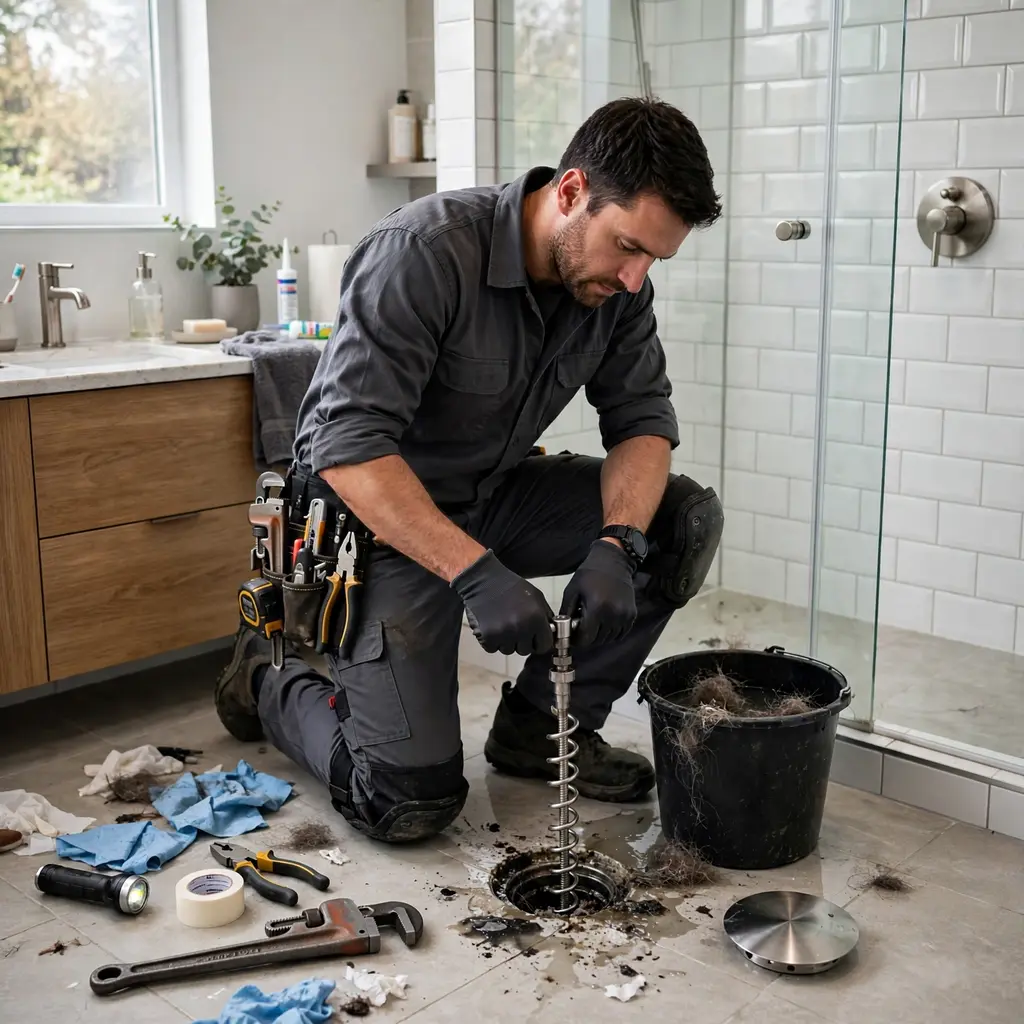
A major advantage of Anytime Plumbing is its ability to offer multiple drain-clearing methods. For standard clogs, mechanical snaking remains an effective and cost-efficient option. However, certain situations require a more powerful approach. Hydro jetting uses high-pressure water to clear grease, sludge, mineral deposits, and stubborn debris from pipe walls. Rather than relying on a single technique, the company evaluates each situation and chooses the method best suited to the condition of the plumbing system. This flexibility often leads to more thorough cleaning and longer-lasting results.

Industry Expertise and Professional Standards
Professional plumbing is a skilled trade that requires technical knowledge, training, and ongoing development. The demand for qualified plumbers continues to remain strong across the United States, reflecting the essential role these professionals play in maintaining residential and commercial infrastructure. According to the U.S. Bureau of Labor Statistics, plumbers, pipefitters, and steamfitters perform critical work involving the installation and maintenance of systems that transport water, gas, and waste. This broader industry context helps explain why choosing an experienced and well-equipped plumbing company can make a significant difference when dealing with challenging drain issues.
Emergency Services When Timing Matters Most
Plumbing emergencies rarely happen at convenient times. A clogged toilet, overflowing drain, or backed-up sewer line may require immediate professional attention to prevent water damage and sanitation concerns. Anytime Plumbing offers emergency and same-day services throughout Santa Cruz County, providing homeowners and businesses with access to assistance when urgent situations arise. This availability can be especially valuable for restaurants, retail locations, and households that cannot afford extended disruptions caused by drainage problems.
Solutions for Residential and Commercial Customers
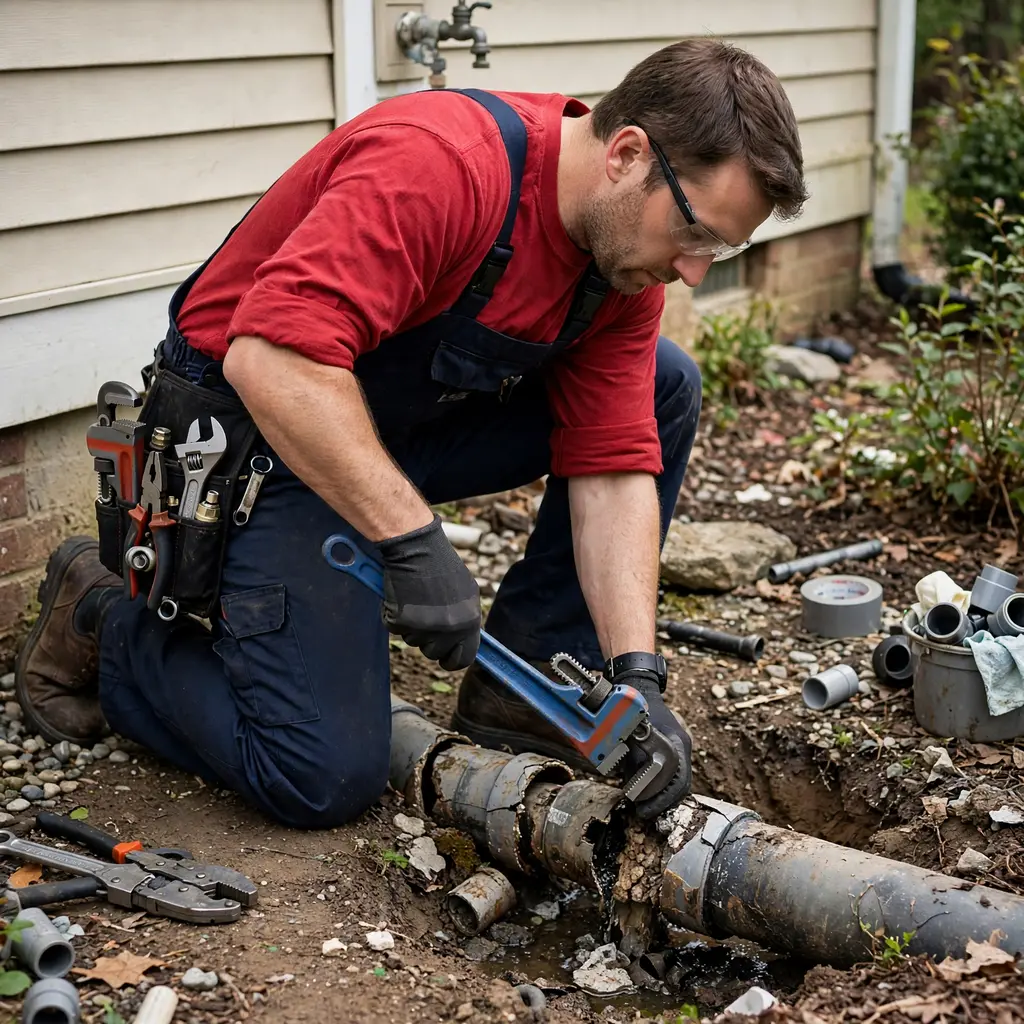
Not all plumbing companies are equally prepared to handle both residential and commercial drainage systems. Anytime Plumbing serves a broad customer base, including homeowners, property managers, and business operators. Their service offerings extend beyond basic drain cleaning to include sewer line work, root elimination, clean-outs, and drain-line repairs. This comprehensive capability allows customers to work with a single provider throughout the entire diagnostic and repair process, even when a simple clog turns out to be part of a larger plumbing issue.
Evaluating Value Beyond Simple Pricing
Drain cleaning costs can vary significantly depending on the location of the blockage, pipe condition, accessibility, and the methods required to resolve the issue. Because each plumbing job presents unique challenges, fixed pricing often fails to reflect the actual scope of work involved. Anytime Plumbing employs a quote-based approach rather than advertising standard drain-cleaning rates. While some customers may prefer upfront pricing, others may appreciate a system that considers the complexity of each project and recommends solutions tailored to the specific problem.
Final Verdict on Anytime Plumbing
Anytime Plumbing stands out as a strong choice for Santa Cruz residents who want more than a basic drain-clearing service. The company’s emphasis on accurate diagnosis, combined with tools such as camera inspections, hydro jetting, mechanical snaking, root treatment, and repair capabilities, creates a comprehensive approach that addresses both symptoms and underlying causes. For homeowners and businesses facing recurring clogs, slow drains, or sewer line concerns, the ability to access multiple solutions through one provider can offer both convenience and confidence. Overall, Anytime Plumbing presents a well-rounded option for those seeking dependable, professional, and effective drain cleaning services in the Santa Cruz area.