

NAD+ Research in Costa Rica Quality Standards and Scientific Insights
NAD+ has become one of the most discussed molecules in scientific research because of its essential role in cellular energy production, metabolism, and biological processes related to healthy aging. Researchers continue to investigate how NAD+ functions across different tissues and why maintaining balanced levels may be important for laboratory studies. If you want to learn more about NAD+, understanding its biological significance and research background provides valuable context before exploring available products designed for research purposes.
What Is NAD+?
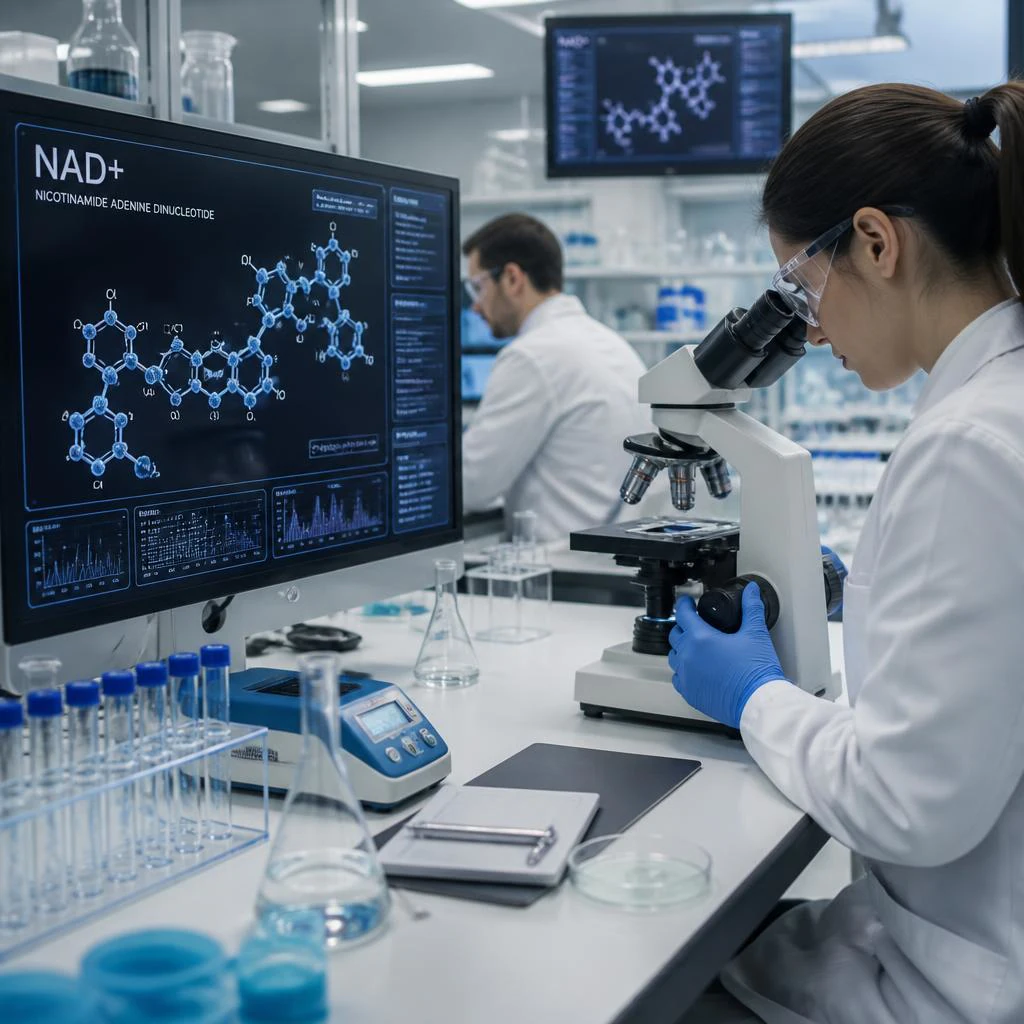
Nicotinamide Adenine Dinucleotide, commonly known as NAD+, is a coenzyme naturally present in nearly every living cell. It participates in hundreds of metabolic reactions by helping transfer electrons during energy production. Without adequate NAD+, cells cannot efficiently convert nutrients into usable energy.
Scientists have also identified NAD+ as an important participant in processes involving DNA repair, mitochondrial function, and cellular signaling. Because natural NAD+ levels tend to decline over time, researchers continue exploring how this molecule influences biological systems under controlled laboratory conditions.
Why Researchers Study NAD+
Interest in NAD+ has grown because of its broad involvement in essential cellular pathways. Rather than targeting a single biological process, NAD+ supports numerous mechanisms that contribute to overall cellular activity.
Current laboratory investigations focus on areas such as:
- Cellular energy metabolism
- Mitochondrial performance
- DNA maintenance mechanisms
- Oxidative stress responses
- Healthy aging research
- Cellular communication pathways
Many of these studies remain ongoing, helping scientists better understand how NAD+ interacts with complex biological systems.
The Connection Between NAD+ and Cellular Energy
One of NAD+’s primary functions involves supporting ATP production, the molecule responsible for storing and transferring energy within cells. During metabolic reactions, NAD+ accepts and donates electrons that enable cells to produce energy efficiently.
Because nearly every tissue depends on continuous energy production, researchers consider NAD+ fundamental to understanding cellular performance. This makes it an important molecule in metabolic and biochemical investigations.
NAD+ and Healthy Aging Research
A significant portion of current NAD+ research examines age-related biological changes. As NAD+ concentrations naturally decrease, scientists investigate how this reduction may influence mitochondrial efficiency, cellular repair, and metabolic regulation.
While numerous studies suggest promising research directions, investigators continue emphasizing that additional evidence is necessary before drawing conclusions regarding therapeutic applications. Research-grade materials should always remain within laboratory environments and are not intended for self-medication or unapproved clinical use.
Quality Matters in Research Materials
Selecting properly manufactured research compounds is essential for obtaining consistent laboratory results. Researchers typically evaluate several characteristics before purchasing NAD+ materials, including purity, manufacturing standards, storage recommendations, and available analytical documentation.
High-quality research products help reduce unnecessary experimental variability while supporting reproducible scientific observations. Proper handling, storage, and preparation remain equally important throughout the research process.
Ongoing Scientific Interest
Scientific publications continue expanding our understanding of NAD+ and related metabolic pathways. Researchers investigate how NAD+ interacts with enzymes such as sirtuins and PARPs while studying broader relationships involving cellular maintenance and metabolic regulation.
For authoritative scientific information about Nicotinamide Adenine Dinucleotide and its biological role, visit the National Center for Biotechnology Information (NCBI): https://www.ncbi.nlm.nih.gov/books/NBK551694/
This educational resource offers peer-reviewed scientific information that complements laboratory research without competing with specialized peptide research suppliers.
Choosing NAD+ for Research Purposes
Researchers often compare several factors before selecting NAD+ products for laboratory use. Product consistency, transparent documentation, and appropriate storage guidance all contribute to better research practices.
When reviewing available options, consider:
- Clearly identified research-use designation
- Product purity information
- Batch consistency
- Proper packaging
- Storage recommendations
- Transparent product specifications
Careful evaluation helps support more consistent laboratory outcomes while maintaining appropriate research standards.
Future Directions for NAD+ Research
The scientific community continues investigating how NAD+ influences numerous biological pathways across diverse research fields. New studies regularly explore metabolism, mitochondrial biology, cellular resilience, and molecular signaling to better understand this essential coenzyme.
As research advances, improved analytical methods and expanded biological knowledge will likely reveal additional insights into NAD+’s complex role within living systems. Continued investigation remains essential for distinguishing established findings from emerging hypotheses while maintaining rigorous scientific standards.
Researchers interested in NAD+ benefit from staying informed about current literature, quality research materials, and evolving laboratory methodologies. With careful study and responsible scientific practices, NAD+ will likely remain an important focus within modern biochemical and cellular research for years to come.